
Flow Control 101: Pneumatic vs. Mechanical Bypass Plugs for Sewer Repair
By Jeyree Reed

The Flow Must Go On: Mastering Sewer Bypassing with Cherne Plugs
In the world of municipal infrastructure and pipeline rehabilitation, stopping the flow isn't always an option. When a sewer line needs repair, a manhole requires rehabilitation, or a treatment plant system needs isolation, you cannot simply tell a city to stop flushing. This is where bypass pumping comes into play. It is a critical operation that requires precision, safety, and the right equipment to divert wastewater around a work zone without causing a backup or an environmental sanitary sewer overflow.
The success of a bypass operation hinges on the integrity of the plug you choose. You need a seal that holds under pressure and a bypass mechanism that allows for efficient flow diversion. That is why we rely on Cherne Industries, the gold standard in pipe plugs, to keep your trenches dry and your crews safe. Whether you are dealing with a small gravity line or a large municipal trunk sewer, understanding the difference between pneumatic and mechanical bypass plugs is the first step toward a successful project.
1. The Pneumatic Advantage: Muni-Ball® Versatility
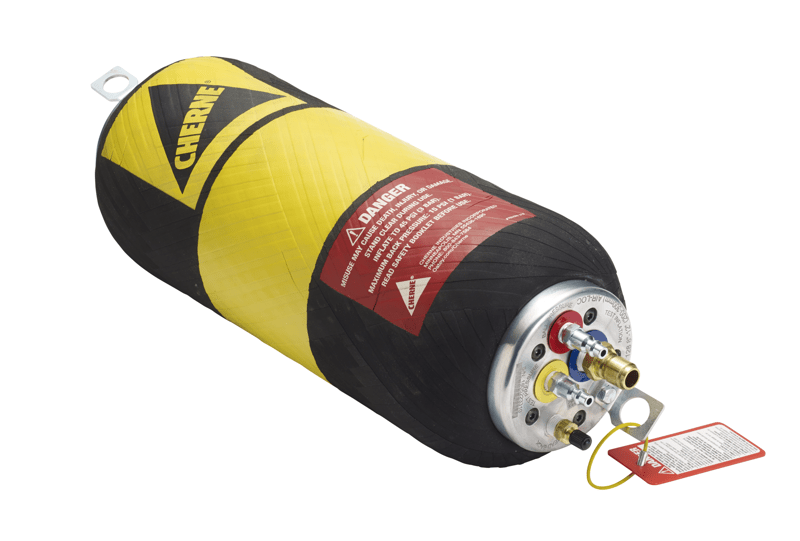
For most professionals, the Muni-Ball® is synonymous with sewer plugging. These pneumatic plugs are engineered from durable natural rubber, giving them the flexibility to seal even irregular or out-of-round pipe surfaces. The primary advantage of a pneumatic bypass plug like the Cherne I-Series Muni-Ball® is its ability to cover a wide range of pipe diameters with a single unit. For example, the I-Series 12-24" plug can effectively seal any pipe within that size range, expanding to fit the specific inside diameter of your line. This versatility dramatically reduces the inventory you need to carry on the truck.
The I-Series plugs are built for serious work. They feature a full-body cording that enhances durability and safety, allowing them to withstand significant back pressure—up to 15 PSI or approximately 34 feet of head pressure for many models. This high pressure rating is critical when you are working in deep systems where the hydrostatic pressure behind the plug can be immense. Furthermore, unlike plugs that rely on chemical bonding, the I-Series utilizes mechanical bonding of the premium natural rubber to the end plates, which eliminates the failures often seen in chemically bonded alternatives. When you are bypassing flow, you need the assurance that your plug won't fail under load, and the I-Series delivers that structural integrity.
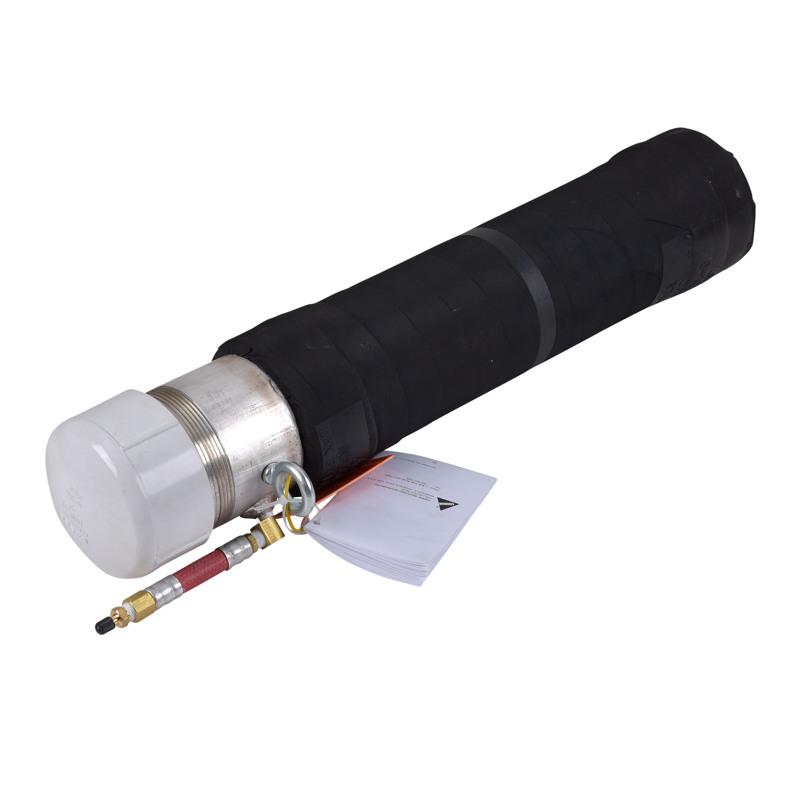
For applications requiring high flow rates, the standard bypass port might be a bottleneck. This is where the Cherne Big-Mouth® series shines. These plugs are designed specifically for gravity bypassing or bypass pumping where volume is king. An 8-12" Big-Mouth® plug, for instance, features a large male NPT threaded bypass that significantly increases flow capacity compared to standard plugs. This design allows you to thread a hose or pump suction line directly into the plug, creating a seamless diversion system that can handle the flow of an active sewer line without surcharging the upstream manhole.
2. The Mechanical Alternative: Iron Grip Ruggedness
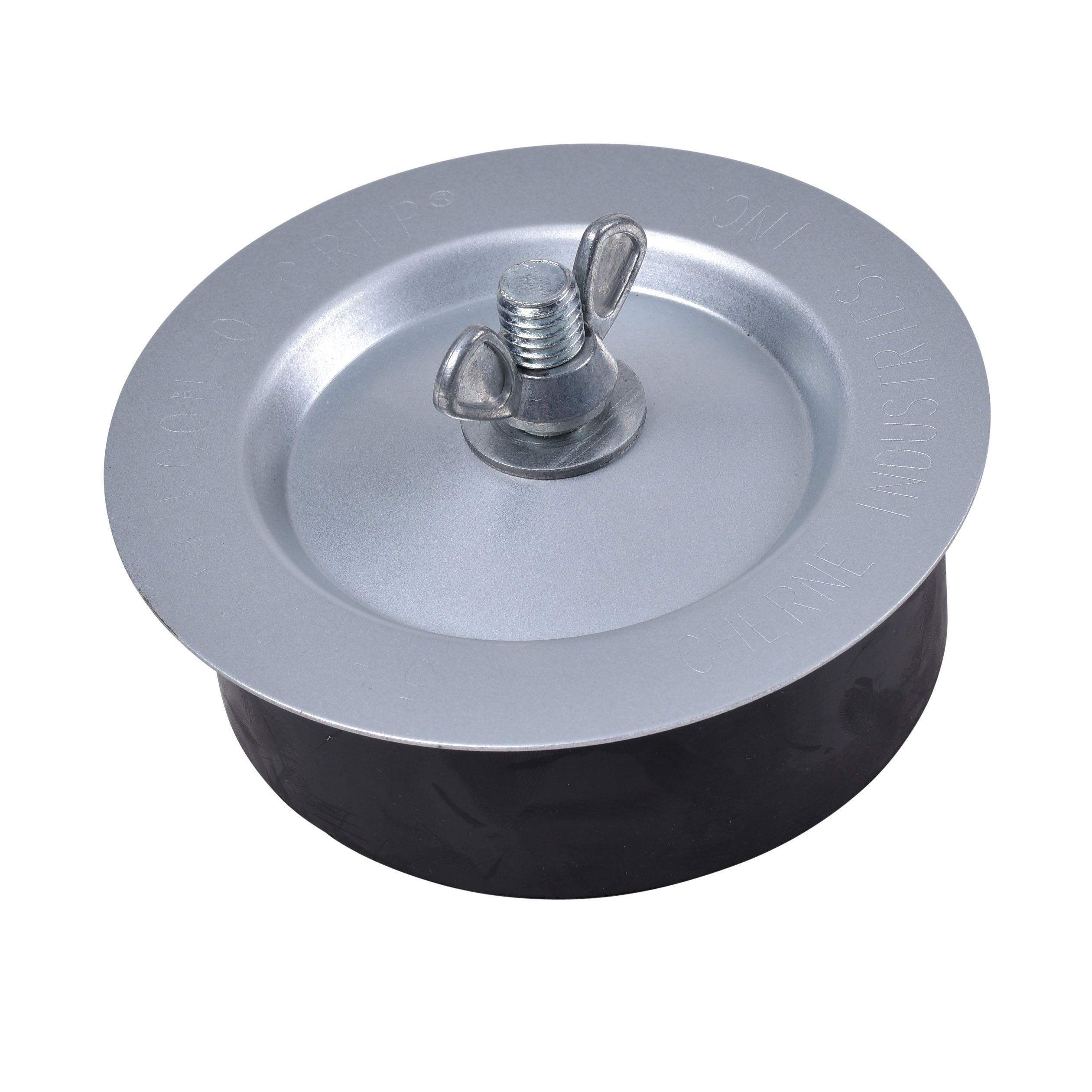
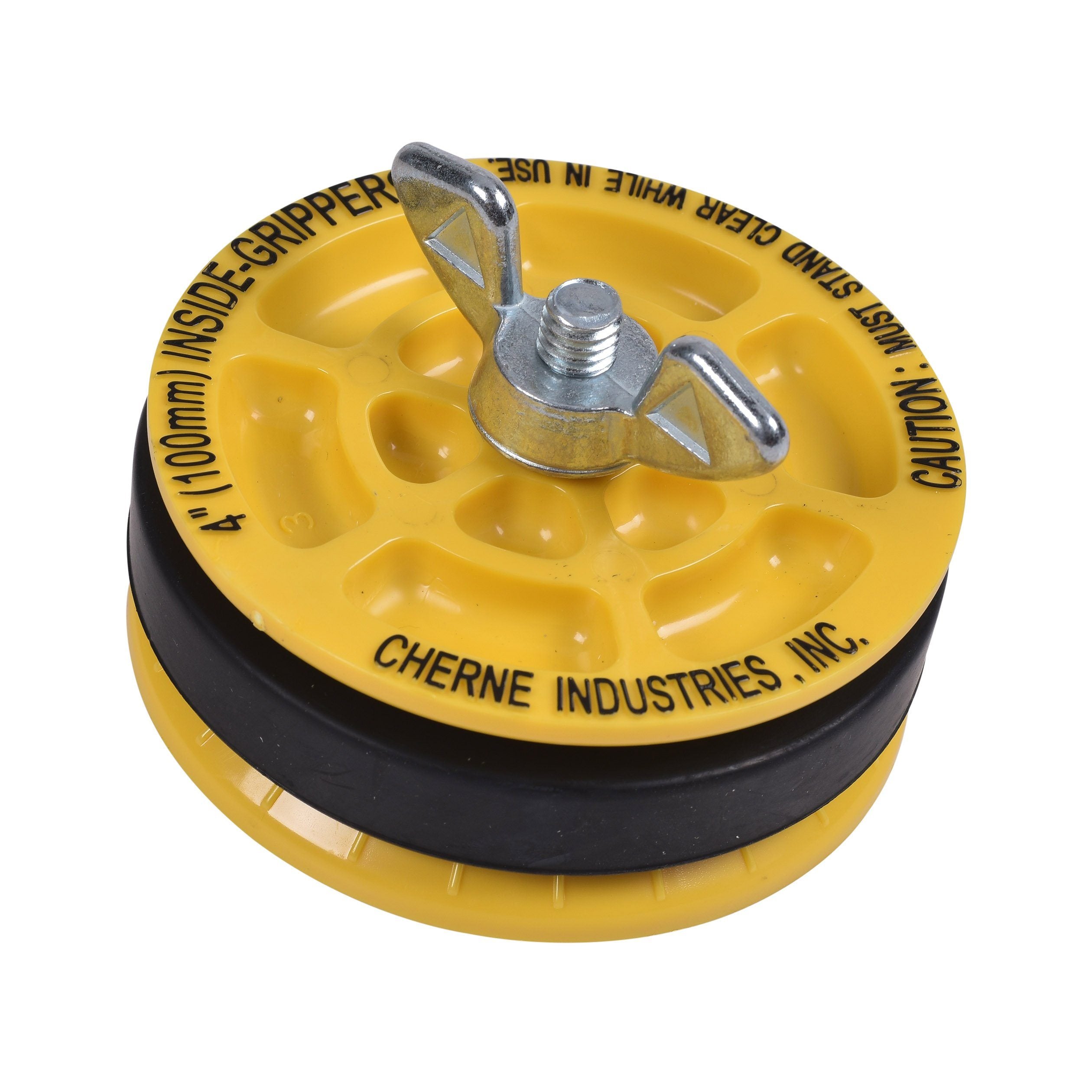
While pneumatic plugs offer versatility, there are situations where a mechanical seal is preferred, particularly for long-term applications or when an air source isn't readily available. The Cherne Iron Grip Bypass Plug is the tool of choice for these scenarios. Constructed from heavy-duty cast iron, these plugs are built to last and are often more economical for static pipe sizes. Unlike the Muni-Ball, which covers a range of sizes, an Iron Grip plug is nominal-size specific (e.g., a 6" Iron Grip fits a 6" pipe).
The Iron Grip series features a large wing nut design that allows for easy, tool-free installation. You simply place the plug in the pipe and hand-tighten the wing nut, which expands the natural rubber O-ring against the pipe wall to create a positive seal. This mechanical expansion is incredibly reliable for long-term blocking because it doesn't rely on maintaining air pressure over days or weeks. If you are setting up a bypass for a project that will last a month, the peace of mind that comes from a mechanical seal is invaluable.
However, you must be aware of the limitations regarding back pressure. The Iron Grip series typically handles lower back pressures than the pneumatic I-Series. For example, an 8" Iron Grip is rated for 4.3 PSI (about 10 feet of head), whereas a comparable pneumatic plug might handle significantly more. It is essential to calculate the maximum potential head pressure in your system before selecting a mechanical plug. If the water level behind the plug rises higher than its rating, the plug could slip.
3. Safety and Field Logistics
Bypass operations are inherently high-risk. A failed plug can release thousands of gallons of raw sewage, endangering workers and violating EPA regulations regarding sanitary sewer overflows (SSOs). To mitigate these risks, proper accessory equipment is non-negotiable.
-
Pressure Monitoring: Always use an inflation hose with a gauge to monitor the internal pressure of your pneumatic plugs. Over-inflation can rupture the plug, while under-inflation can cause it to slide. A dedicated hose assembly, like the Cherne Hi-Flow Triple Hose, allows you to inflate the plug from outside the danger zone and includes a read-back line to ensure the pressure inside the plug matches the gauge at the surface.
-
Blocking and Bracing: Never rely solely on the friction of the rubber to hold the plug in place. Blocking and bracing are mandatory for safe operation.
-
Tethering: Every plug should be tethered. The I-Series and Big-Mouth plugs come equipped with chain eye bolts specifically for this purpose. Using a Poly-Lift Line or a Parachute safety rope ensures that if a plug does dislodge or deflate, it can be retrieved without entering the confined space or losing the plug downstream. Finally, consider the chemical environment. While natural rubber is excellent for general sewer
 use, if your site involves petrochemicals or high temperatures, you may need to consult the chemical resistance guide. For standard municipal wastewater, the natural rubber and cast iron or aluminum components of Cherne plugs offer excellent resistance and longevity.
Selecting the Right Plug for Your Bypass
Choosing between the Iron Grip and the Muni-Ball often comes down to the duration of the project and the variability of the pipe sizes. Use the table below to guide your decision based on the technical specifications found in our catalog.
| Feature | Cherne Iron Grip (Mechanical) | Cherne Muni-Ball / I-Series (Pneumatic) |
| Sealing Method | Mechanical expansion (Wing Nut) | Pneumatic expansion (Air) |
| Size Versatility | Fixed nominal sizes (e.g., 6", 8") | Multi-size expansion (e.g., 12-24") |
| Max Back Pressure | Lower (e.g., 4.3 PSI for 8" model) | Higher (e.g., 15 PSI for I-Series) |
| Bypass Capacity | Standard NPT (e.g., 1/2" for 8" model) | Large NPT options (up to 3" or more on Big Mouth) |
| Best Use Case | Long-term static blocking, shallow head | Multi-size pipes, deep lines, high flow bypass |
| Durability | Cast Iron ruggedness | Kevlar/Cord-reinforced rubber |
At Enviro Design Products, we understand that a bypass plan is only as good as the equipment executing it. Whether you need the rugged simplicity of an Iron Grip or the adaptive power of an I-Series Muni-Ball, Cherne's lineup ensures your project stays dry, safe, and compliant. We don't just sell plugs; we help you engineer solutions for the complex reality of American infrastructure.