0 item(s)
View cart
You have no items in your shopping cart.



There's no federal law requiring a specific well cap. Every state writes its own rules. That's why a driller who works in three states might need three different cap setups on the truck. The EPA regulates public water systems under the Safe Drinking Water Act, but private wells? Those fall...

The inspector's coming at 8 AM. You've got 200 feet of new 6-inch PVC to test before final backfill. The crew's waiting. Whether your spec calls for a low-pressure air test or a hydrostatic test, you need the right plugs seated correctly and a procedure that passes the first time....

A $30 Payday. A $500,000 Lawsuit. In Philadelphia, 2,500 manhole covers disappeared in a single year. The cost to the city: at least $300,000 in replacement alone—not counting the liability exposure from every open hole left behind. Across the country in Chicago, the situation was even more brazen: 200 covers...

A delivery truck backs over your wellhead. The PVC casing cracks six inches below grade. Now you’re looking at a $3,000 well repair instead of a $200 protector you should have installed last year. This happens more often than most property owners realize. Wells in driveways get clipped by snowplows....

Your well cap has a small screened opening on top. Or it doesn't. That's not random — there's a reason for each design, and picking wrong can cause real problems. We see it all the time: a homeowner notices bugs near their wellhead, spots a screened vent on the cap,...

You're breaking ground on a 75-site RV park. The engineer handed you plans. The contractor needs an equipment list. And somewhere between the excavation bid and the utility hookups, you realize nobody actually gave you a line-by-line breakdown of what goes into a dump station. Here's the thing: a dump...

You've got a 30-foot section of 8-inch sewer main to test. The crew's ready. Do you need a blocking plug or a bypass plug? Wrong answer means either a flooded trench or a failed test. This isn't a trick question, but it trips up crews more often than it should....

You are standing in a gas station parking lot in New Jersey. The Phase II ESA came back hot — benzene in the shallow groundwater, no surprise given the site history. Now your client needs three monitoring wells installed flush with the asphalt, and every single one has to survive...

You're standing over a 2-inch monitoring well at a former dry cleaner site. The work order says vapor sampling. You need to pull a representative air sample from the well headspace without breaking the seal, without removing the cap, and without compromising the data integrity your lab and your regulator...

You're pricing out manhole covers for a utility project. Two quotes land on your desk: one for cast iron, one for composite. The cast iron is familiar — your municipality has spec'd it for decades. The composite is lighter, cheaper to ship, and the manufacturer claims a 50-year service life...

It's Memorial Day weekend. Your park is at 98% occupancy — 147 of 150 sites full. A family pulls into Site 83 with a 35-foot fifth wheel, three kids, and a golden retriever. The sewer cap is gone. Not broken, not flipped open — gone. Probably clipped by a mower...

A monitoring well on a construction site in New Jersey. No lock on the cap. Somebody drops a cigarette butt in. Now your next round of groundwater samples is compromised and your client is explaining the anomaly to the DEP. It sounds like a worst-case scenario, but we hear versions...

A $450,000 Lesson in Getting the Spec Wrong Last year, a mid-sized U.S. city reported over 1,800 manhole cover thefts in a single year — replacement costs topped $450,000, and that doesn't count the pedestrian injury claims from unprotected openings. Separately, we've seen engineers spec H-20 load rating manhole cover...

Last spring, a campground owner in central Texas called us. She'd just ordered 120 FootLoose sewer caps for a full park refit — all male. Turned out half her sites had bell fittings on top of the standpipes. Wrong cap for 60 sites. She's not the first person to make...

In our previous post, "The Watchful Eye: Should RV Parks Have Security Cameras?", we discussed the heavy lifting that campground owners must do to keep their properties secure. We explored how park managers are upgrading both their digital surveillance and their physical infrastructure to ensure guest safety and environmental compliance....

Most People Get This Wrong We get a version of this call at least twice a week. A driller or environmental consultant rings us up and says, "I need a 4-inch well cap." We ask: SCH 40 or SCH 80? Silence. Then: "Does it matter?" It matters. A well cap...
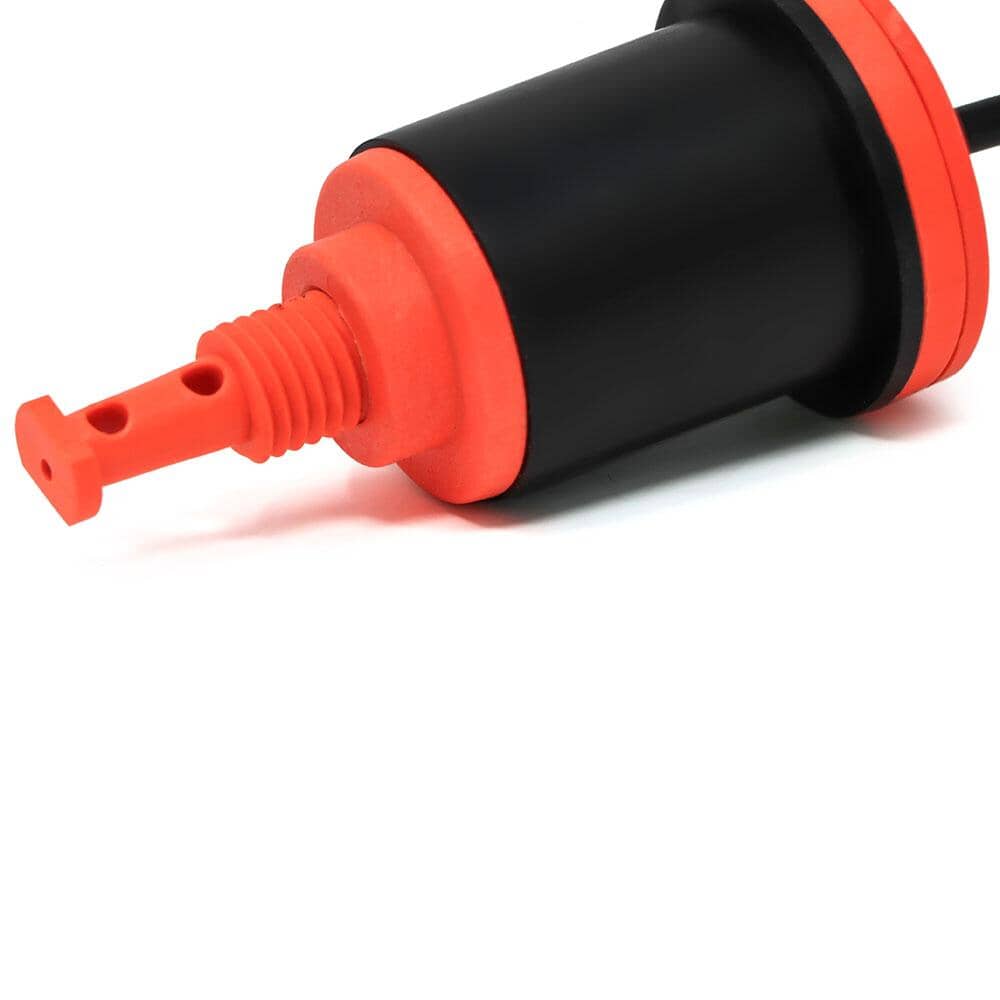
When an environmental consultant steps onto a commercial site to conduct a Phase II Environmental Site Assessment (ESA), the margin for error is effectively zero. Whether the site is a former dry cleaner, an aging gas station, or an industrial manufacturing facility, the presence of Volatile Organic Compounds (VOCs) migrating...

The modern RV park is no longer just a patch of gravel and a fire pit. Today’s campgrounds are essentially small, bustling municipalities. On any given holiday weekend, a mid-sized RV park might host millions of dollars worth of rolling real estate, hundreds of guests, and a complex network of...
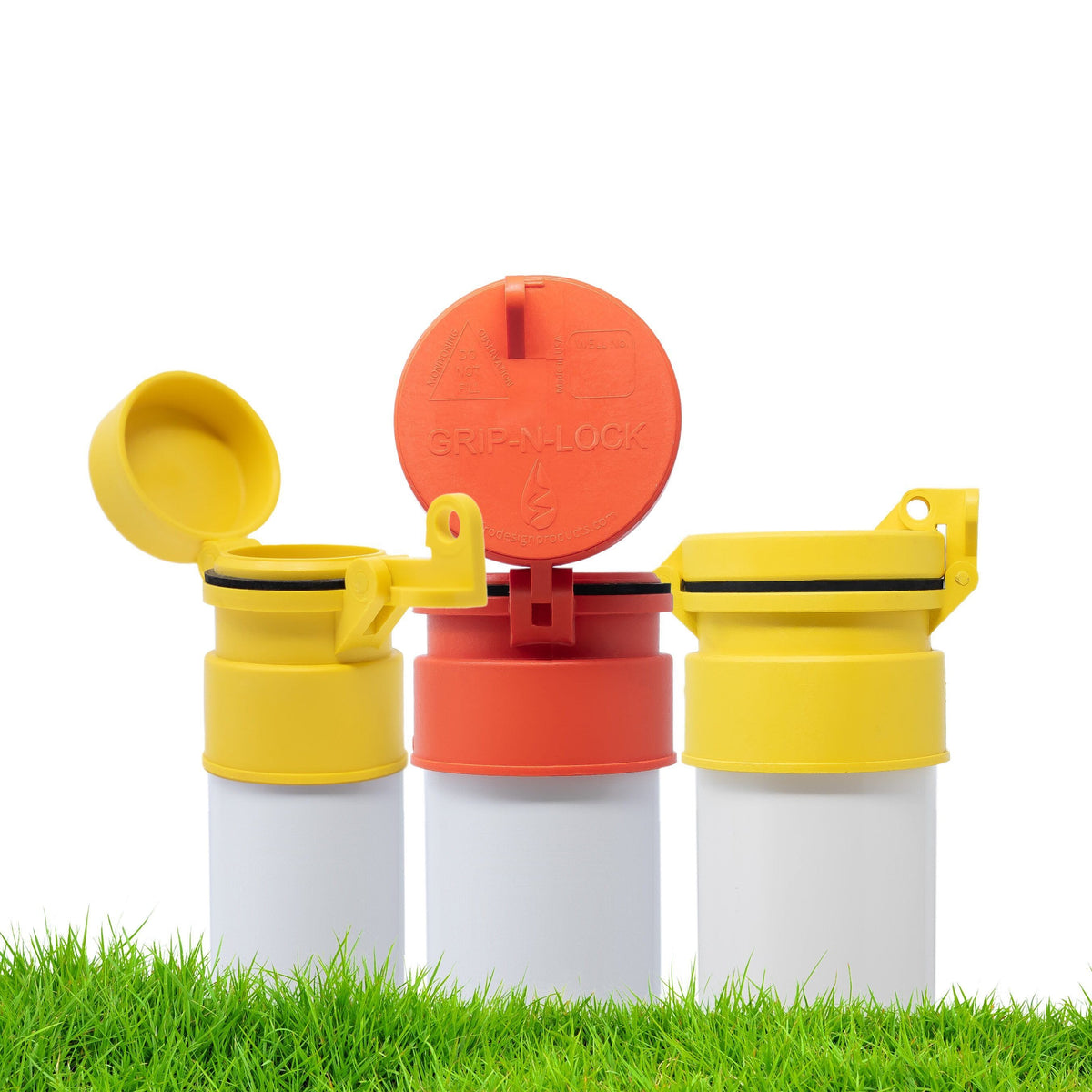
If you've spent any time managing monitoring wells, you already know that the cap sitting on top of that casing is far more than a piece of hardware. It's the last line of defense between your groundwater data and the outside world. The wrong cap invites contamination, vandalism, and regulatory...
The Hidden Infrastructure Supporting Our National Treasures. While visitors admire the vistas, National Park operators are focused on the "unseen" infrastructure that makes those visits possible. The sheer volume of traffic at RV sites in 2026 places immense pressure on sewage and water systems. At Enviro Design Products, we understand...
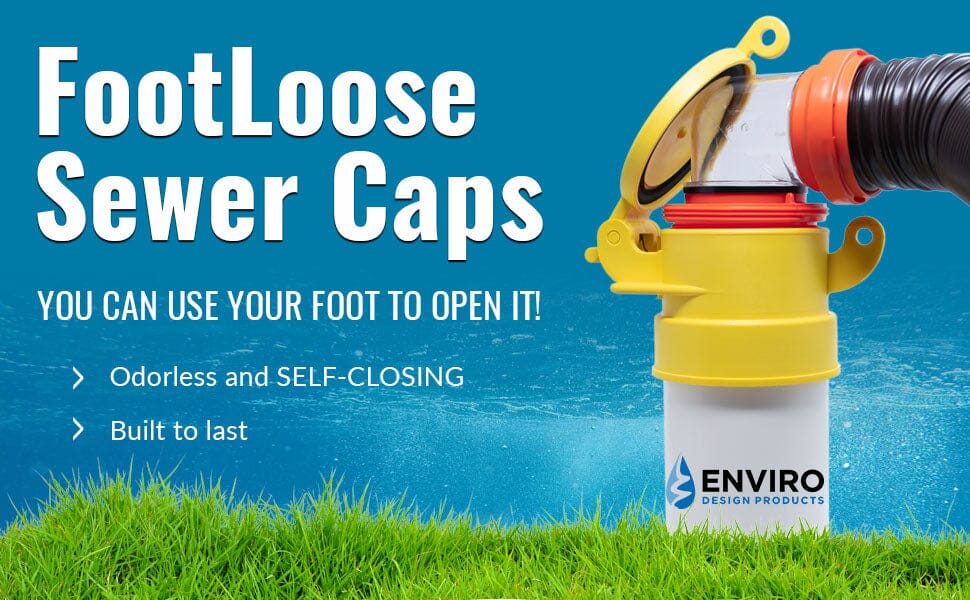
Running a campground means managing a lot of moving parts. But few systems carry as much consequence — financially, environmentally, and in terms of guest experience — as your sewer infrastructure. A neglected sewer system produces odors that drive guests away, risks that invite regulatory scrutiny, and failures that shut...

Heavy-Duty Manhole Hardware: Solutions for Safety, Security, and System Integrity In the complex world of municipal utilities and environmental monitoring, a manhole is far more than just a heavy lid in the pavement. It represents a critical access point for the essential veins of our cities—sewer lines, water mains, and...

In the field of environmental science and municipal management, the data collected from a monitoring well is only as reliable as the hardware protecting it. A monitoring well is a precision instrument designed to provide a window into the health of our groundwater. However, without the proper sealing and locking...
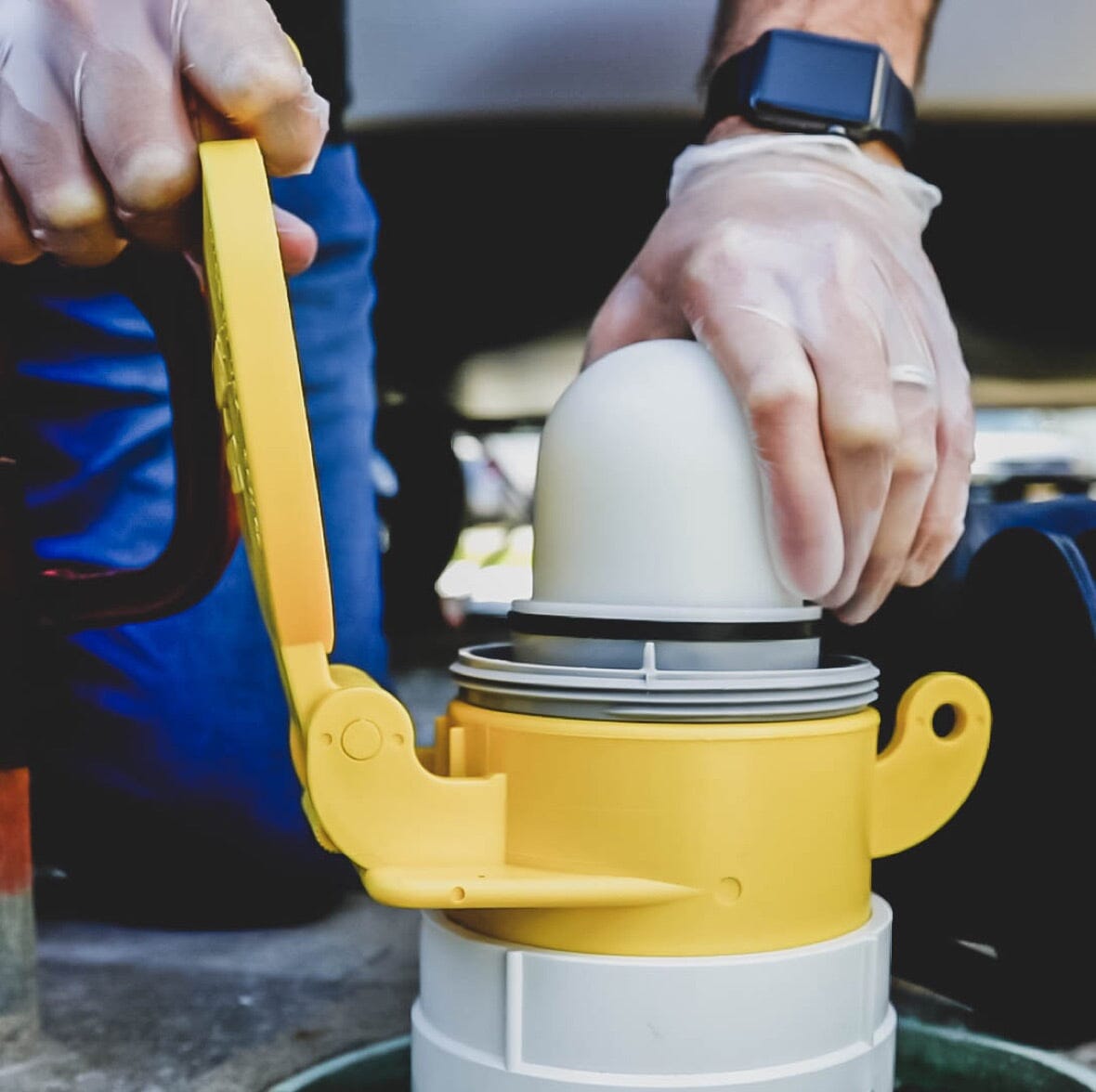
Managing a bustling RV park or campground is a labor of love that involves balancing guest satisfaction with rigorous environmental stewardship. While most visitors focus on the scenic views and amenities, park managers know that the real work happens underground. One of the most critical, yet frequently overlooked, vulnerabilities in...